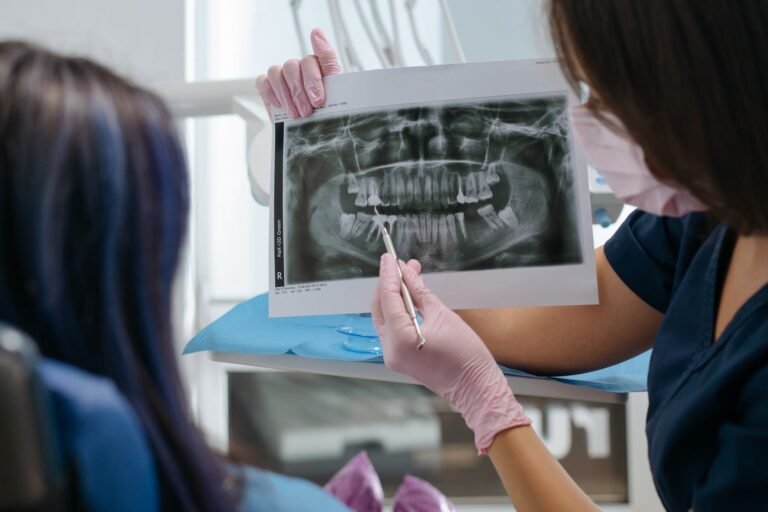

Here is how to reduce dental no-shows with reminders, policies and scheduling habits that work. This guide covers typical dental no-show rates, dental appointment reminders and how to reduce last-minute cancellations at a dental office.
A no-show is the most quietly expensive thing in a dental practice. Unlike a slow marketing month, you already did all the work to win that patient — the marketing, the phone call, the booking — and then the chair sits empty at the exact time you were counting on it, with the overhead still running. Do it a few times a week and it is the difference between a good month and a stressful one.
The good news is that most no-shows are not random and they are not personal. They follow patterns, and patterns can be engineered out. Here is how to do it without turning your practice into a place that nags its patients.
Related guides in this series: Building a Dental Referral Program That Works and Dental Membership Plans.
Why patients no-show (it’s rarely that they don’t care)
Almost every missed appointment traces back to one of three causes. They forgot. Life got in the way and rescheduling felt like a hassle, so they just didn’t come. Or they were never fully committed when they booked in the first place. Each cause has a different fix, and the reason generic ‘just send a reminder’ advice underperforms is that it only addresses the first one.
1. Make the reminder impossible to ignore — and easy to act on
A single reminder the day before is not enough, and a reminder with no way to respond is just noise the patient swipes away. The reminders that actually work do two things. They arrive more than once — a few days out and again the day before — and they land on the channel the patient actually reads, which for most people is a text, not an email buried under fifty others. And critically, they let the patient confirm or reschedule in a single tap. The moment acting on the reminder is easier than ignoring it, your no-show rate starts to fall.
2. Make rescheduling frictionless
Many no-shows are really failed reschedules. The patient knew they couldn’t make the time, but the only way to move it was to call during office hours — when they are also at work — and that felt like a chore, so they did nothing and simply didn’t show. If a patient can reschedule themselves, at any hour, without waiting on hold for a busy front desk, you convert a lost slot into a kept appointment. This is where an always-available front desk earns its place: a patient who wants to move a 2pm at 9pm on a Sunday should be able to, and should reach something that can actually do it rather than a voicemail. (See our AI front desk)
3. Reduce the no-shows you book in the first place
Some no-shows are set up at the moment of booking. A patient who books three weeks out on a whim, with no reminder in between, is far more likely to drift. So is one who was never clear on what the appointment was for or why it mattered. Confirming the value of the visit at booking — what it is, why it matters to their health, and what it costs to miss — quietly raises commitment before the date ever arrives. A clear, kindly-worded cancellation policy, stated up front rather than sprung after the fact, does the same.
4. Fill the gap the moment it opens
Even with the best system, some appointments will fall through. What separates the practices that feel the pain from those that barely notice is what happens next. A slot that empties at 9pm and is flagged immediately can be offered to a waitlist and filled before the day arrives. A slot discovered only when the patient fails to walk in is simply lost. A front desk that never sleeps can catch the cancellation and backfill it — turning a hole in tomorrow’s schedule into a same-day appointment for someone who wanted one.
Where the website comes in
Much of this runs through your website and booking system. If patients can see their appointment, confirm it, and reschedule it online in a couple of taps, the friction that causes no-shows largely disappears. If the only path is a phone call during business hours, you have built the friction in. A site designed around booking and rebooking — not just a brochure — is quietly one of the best no-show tools you have. (See our website design)
What to do about it
No-shows are not bad luck; they are a systems problem, and systems can be fixed. Remind more than once in the channel patients actually read, make rescheduling a single tap at any hour, raise commitment at the moment of booking, and catch open slots the instant they appear. Do that and the empty chair becomes rare — and the patients you spent good money to acquire actually make it into it. (See our dental marketing services)
How Medihike Helps
Our AI front desk and dental CRM automate reminders, confirmations, recall and reactivation so fewer chairs sit empty. See AI receptionist for dental offices.
Frequently Asked Questions
What is the single most effective way to reduce dental no-shows?
Make rescheduling easier than not showing up. Multi-touch reminders that let the patient confirm or move the appointment in one tap, at any hour, turn most would-be no-shows into kept or rescheduled visits.
Do appointment reminders alone fix no-shows?
Only partly. Reminders help the patients who simply forgot, but the ones who couldn’t make it and found rescheduling a hassle need frictionless self-rescheduling and a front desk reachable outside office hours.
Should a dental practice charge for no-shows?
A clear, fairly-worded cancellation policy stated up front can raise commitment, but it works best as a backstop. Fixing the reminder and rescheduling experience prevents far more no-shows than a fee recovers.
Related reading
What’s the most effective way to reduce dental no-shows?
A combination of text and email appointment reminders sent 24-48 hours in advance, with an easy way to confirm or reschedule, tends to be the single most effective lever, since it catches most no-shows before they happen rather than penalizing after.
Do no-show fees actually reduce missed appointments?
They can help as a deterrent, but a well-designed fee policy works best alongside strong reminders, not as a replacement for them — reminders prevent no-shows, fees only address them after the fact.
Should new patients be treated differently for no-show policies?
Many practices apply a more lenient approach to a first missed appointment, especially for a brand-new patient, while being more consistent about enforcing a policy for a repeated pattern.
How does overbooking relate to no-show rates?
Some practices intentionally build slight overbooking into their schedule to account for a predictable no-show rate, though this carries risk of overcrowding on days when fewer patients than expected actually miss their appointment.
Does the time of day affect no-show rates?
Yes, certain time slots (early morning, right after lunch, Friday afternoons) commonly see higher no-show rates in many practices, which is worth tracking specifically rather than assuming no-shows are evenly distributed.
Can a practice’s own booking process cause more no-shows?
Yes — appointments booked far in advance without enough follow-up reminders, or a scheduling process that doesn’t clearly confirm the exact date and time with the patient, can contribute to higher no-show rates.
Should a practice call patients who no-show instead of just noting it?
A brief follow-up call or text after a missed appointment, rather than simply logging it and moving on, can catch a genuine mix-up and also reinforces that the practice noticed, which can reduce repeat no-shows.
What is a normal dental no-show rate?
Many practices see 5% to 15% of appointments missed or cancelled late; well-run reminder systems bring it under 5%.
What reduces dental no-shows the most?
Two-way text confirmations, reminders two days and the same day before, easy rescheduling links and a clear, fairly enforced cancellation policy.
How do I reduce last minute cancellations dental patients make?
To reduce last minute cancellations dental offices should confirm by two-way text and offer easy rescheduling links.
How Medihike Can Help
Want this done for your practice? These services put the ideas in this article into practice: