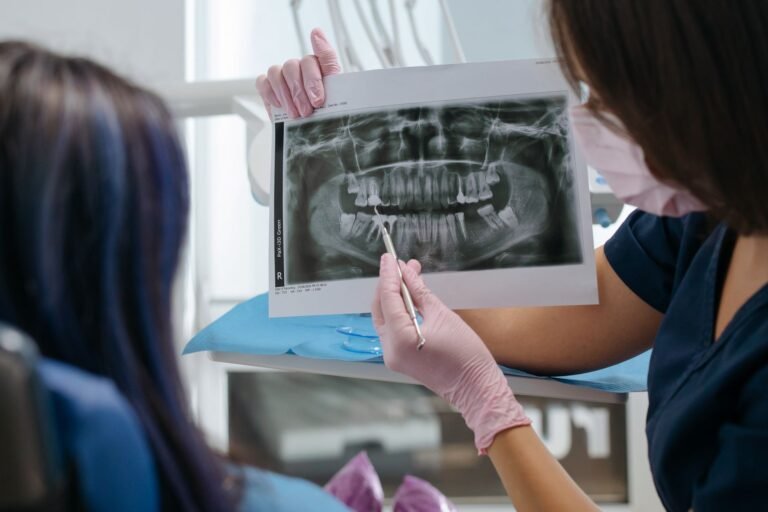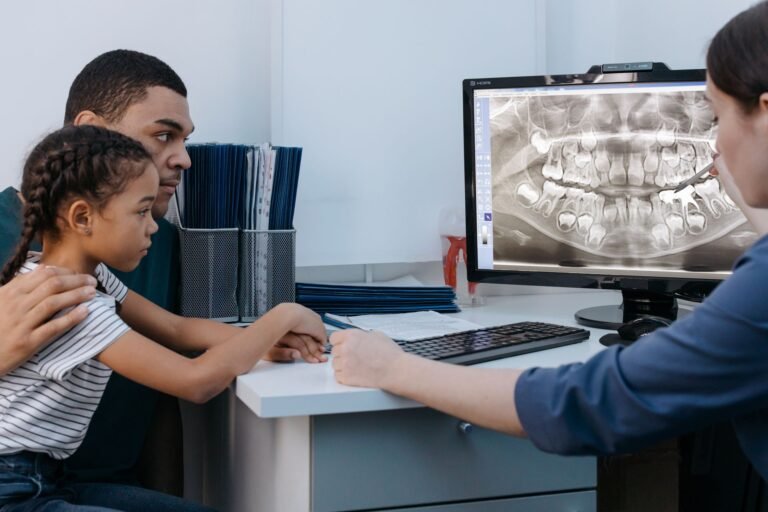
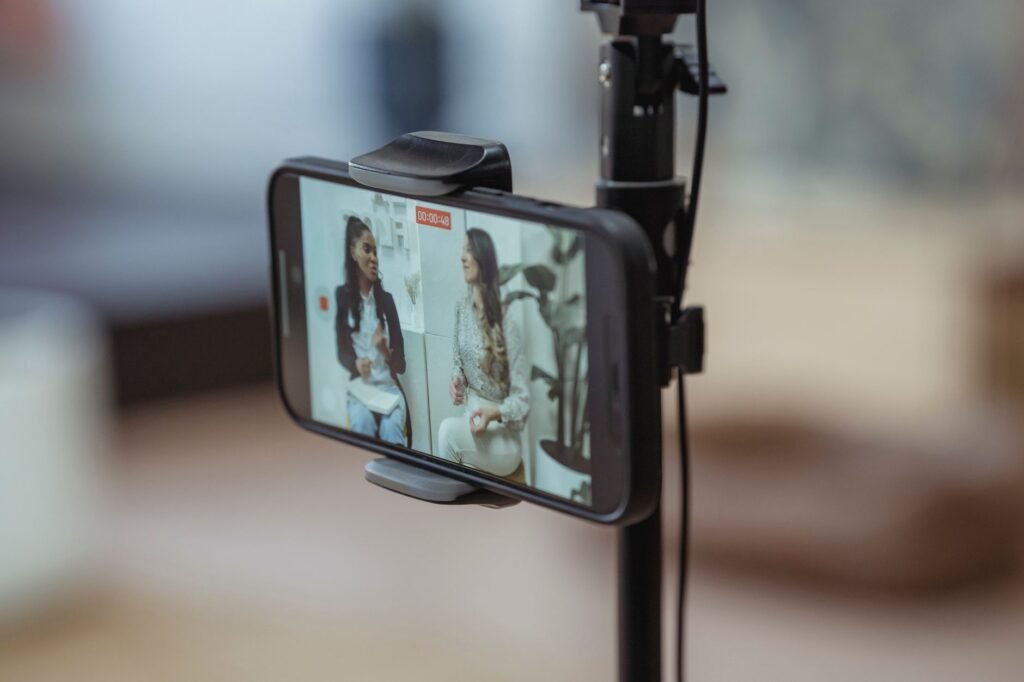
Most dentists who consider video marketing picture a professional crew, scripted lines, and a production budget, and the whole idea stalls before it starts. That’s the wrong mental model. The video that actually builds trust with a nervous prospective patient is short, unpolished, and genuinely useful — recorded on a phone, not produced like a commercial.
Start with the questions your front desk already answers
The easiest video content to make is also the most useful: a thirty-to-sixty-second answer to a question patients actually ask on the phone every week. What does a first visit involve? Does teeth whitening hurt? What’s the difference between a crown and a veneer? These don’t need a script beyond what you’d say to a patient in the chair, because that’s exactly what they are.
A practice tour does more than most owners expect
A short walkthrough of the office — what the waiting room looks like, how check-in works, what a treatment room looks like — removes a real source of anxiety for a new patient who has never been there. This matters even more for pediatric and anxious-patient practices, where uncertainty about the unfamiliar space is often worse than the actual visit.
Let the dentist be a person, not just a title
A brief, informal video of the dentist talking about why they got into dentistry, or what they enjoy about a particular kind of case, does something a written bio can’t: it lets a prospective patient hear a voice and see an expression before ever meeting in person. This is especially valuable for practices competing against corporate chains where patients rarely know which dentist they’ll actually see.
Where to put it matters as much as making it
A video sitting unwatched on a hard drive does nothing. The same short clip can live on the website’s relevant page, as a Google Business Profile post, and on social media, getting far more use from a single recording than making something new for each platform. Reusing well is more valuable than producing more.
Consistency beats production value
A phone-recorded video posted every few weeks that answers a real question outperforms a single expensive production that never gets followed up. If the choice is between one polished video a year and a handful of simple ones spread through the year, the simple, frequent option wins for both search visibility and patient trust.
Is it worth it
Start with answers to real patient questions, add a practice tour and a personal introduction from the dentist, and reuse each video across the website, Google profile, and social media. Skip the production budget — the phone in your pocket is enough to start.
Related services
Frequently Asked Questions
Do I need professional equipment to start video marketing as a dentist?
No. A phone-recorded video answering a real patient question, posted consistently, outperforms an expensive production made once. Start simple and reuse what you make across the website, Google profile, and social media.
What kind of video content works best for a dental practice?
Short answers to questions patients already ask on the phone, a brief practice tour, and an informal introduction from the dentist. These build trust before a patient ever visits, more than a polished, scripted production.
What kind of videos work best for dental practice marketing?
A short office tour, team introductions, and patient testimonial videos (with consent) tend to build trust more effectively than polished but generic stock-style videos, since prospective patients want to see the real environment they’d be visiting.
Does video content help with SEO?
Indirectly. Video can increase time spent on a page and engagement, both of which support SEO, and video hosted on YouTube with a good title and description can also surface in its own search results separately from the website.
How long should a dental marketing video be?
Shorter generally performs better for social media (15-60 seconds), while a website’s main introduction or office tour video can run a bit longer (1-3 minutes) without losing most viewers.
Do dental practices need professional video production?
Not necessarily for every video. Simple, authentic phone-shot content for social media often performs as well as or better than overly polished production, though a primary homepage video benefits from at least decent lighting and audio quality.
Should video testimonials replace written reviews?
No, they complement each other. Video testimonials can be more persuasive for some viewers, but written Google reviews remain important for local search visibility and reach a much wider audience through search results.
What should a dental practice avoid in video marketing?
Overly scripted, generic-sounding testimonials that feel staged, and video content that doesn’t show the real office or real staff, since authenticity is a big part of what makes video marketing effective for a healthcare decision.
Where should dental marketing videos be posted?
The practice website, YouTube, and relevant social media platforms (Instagram, Facebook) cover most of the useful distribution, with the same video often repurposed slightly differently across each.
Does video marketing require ongoing production or is it a one-time project?
Ongoing works better. A single video project gets stale over time, while a practice that produces new content periodically — a new provider intro, a seasonal update — keeps its video presence current and relevant.