Telehealth PT expanded significantly in recent years, and while it can’t replace hands-on treatment for every case, it fills a real gap for certain visit types. Marketing it effectively means being clear about what it’s good for and honest about its limitations.
Home exercise program check-ins are a strong telehealth use case
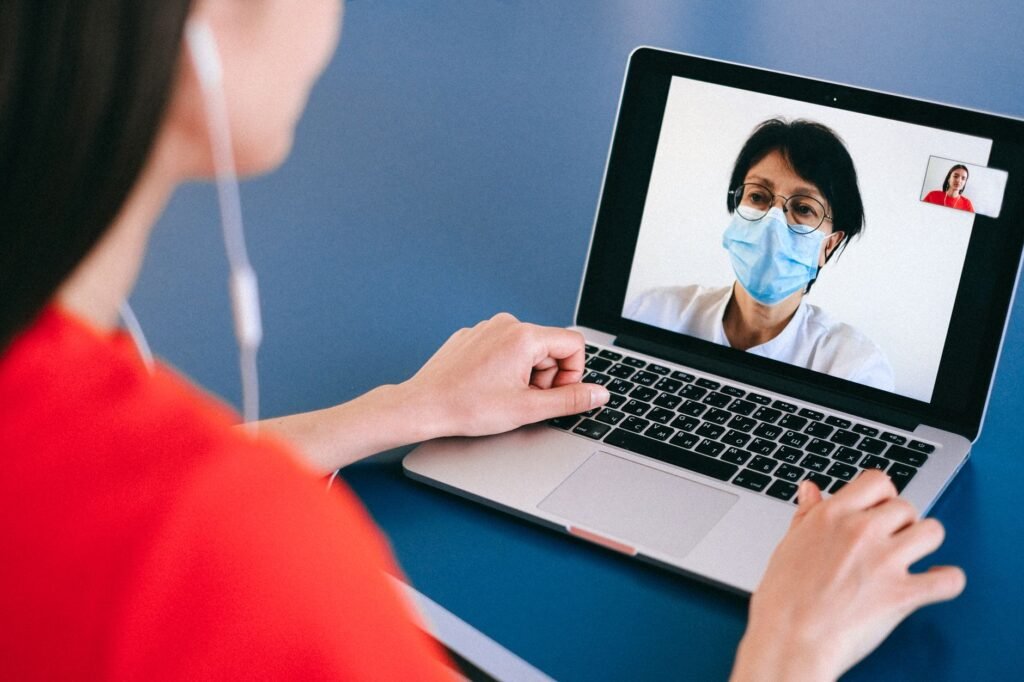
A virtual visit works well for reviewing and adjusting a patient’s home exercise program, checking form, and answering progress questions, without requiring an in-person visit purely for this kind of check-in.
Initial screening can happen virtually in some cases
For some conditions, an initial virtual consultation can help determine urgency and appropriate next steps before an in-person evaluation, which can be useful for a patient trying to decide whether their situation needs prompt in-person care or can be scheduled normally.
Rural and mobility-limited patients benefit most clearly
Patients with transportation challenges, mobility limitations, or those in areas farther from a clinic benefit disproportionately from telehealth options, since it removes a real access barrier that has nothing to do with clinical necessity.
Be explicit about what telehealth can’t replace
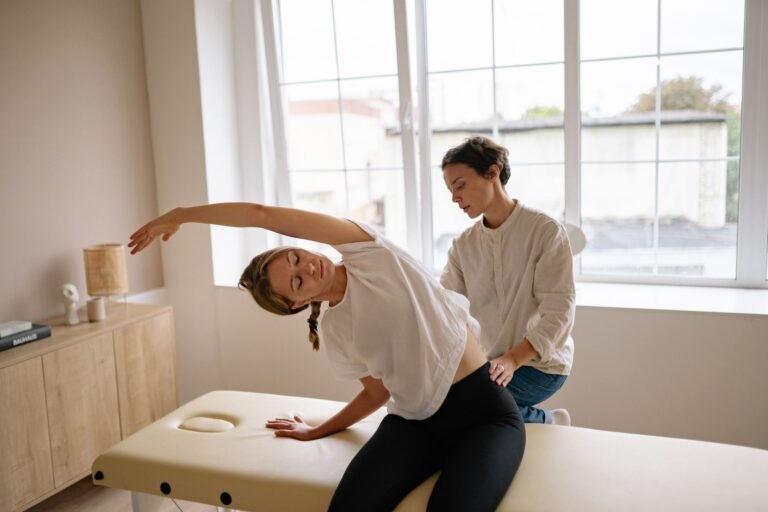
Hands-on manual therapy, most hands-on assessment techniques, and much of what makes in-person PT effective for many conditions simply can’t happen virtually. Marketing that’s honest about these limits, rather than overselling telehealth as equivalent to in-person care, builds more trust and sets the right expectation.
Insurance coverage for telehealth PT still varies
Coverage for telehealth physical therapy visits varies by insurance plan and has shifted over recent years, so content addressing this directly, with an offer to verify a specific patient’s coverage, reduces uncertainty before someone books a virtual visit.
Related
- teledentistry marketing florida
- AI front desk for dental practices
- physical therapy website conversion checklist
Frequently Asked Questions
What can a telehealth physical therapy visit actually accomplish?
It works well for home exercise program review and adjustment, progress check-ins, and some initial screening conversations, though it can’t replace hands-on manual therapy or most physical assessment techniques.
Is telehealth PT covered by insurance in Florida?
Coverage varies by plan and has changed over recent years, so a clinic should clearly communicate that coverage should be verified for a patient’s specific plan rather than assuming universal coverage.
Who benefits most from telehealth PT visits?
Patients with transportation challenges, mobility limitations, or those located farther from a clinic often benefit most clearly, since telehealth removes an access barrier unrelated to the clinical appropriateness of their condition.
Can a full plan of care be completed entirely through telehealth?
Rarely for most orthopedic conditions — telehealth typically supplements in-person visits for specific check-ins rather than replacing the hands-on treatment most plans of care require.
How should a PT clinic market telehealth without overpromising?
By being explicit about what it can and can’t address, avoiding language that implies it’s equivalent to in-person care for every situation, and clearly describing which specific visit types work well virtually.
Does telehealth PT require special technology for the patient?
Just a device with video capability and a stable internet connection, along with enough space at home to perform the exercises being reviewed, is generally all that’s needed on the patient’s end.
Is telehealth PT appropriate for a new patient’s initial evaluation?
It can work for some initial screening purposes, but many conditions still benefit from or require an in-person evaluation to properly assess the issue before establishing a full plan of care.
Should telehealth visits cost less than in-person visits?
Pricing varies by clinic and by insurance reimbursement rates for telehealth versus in-person visits, and this should be communicated clearly to patients considering the option.
Does offering telehealth PT expand a clinic’s addressable patient base?
Yes, particularly for patients who wouldn’t otherwise be able to access in-person care regularly due to distance or mobility limitations, which is a real growth opportunity beyond the clinic’s typical local radius.
How does a PT clinic build trust in the quality of a virtual visit?
Being transparent about what to expect, ensuring the same level of professional attention and follow-up as an in-person visit, and using the visit specifically for tasks that work well virtually rather than trying to force an in-person-style session onto video.