Teledentistry grew fast in a short window and settled into a smaller, more specific role than the early hype suggested. It’s a real and useful tool for a limited set of situations, and marketing it honestly — for what it actually does, not as a replacement for in-person care — is what makes it worth offering at all.
What teledentistry is actually good for
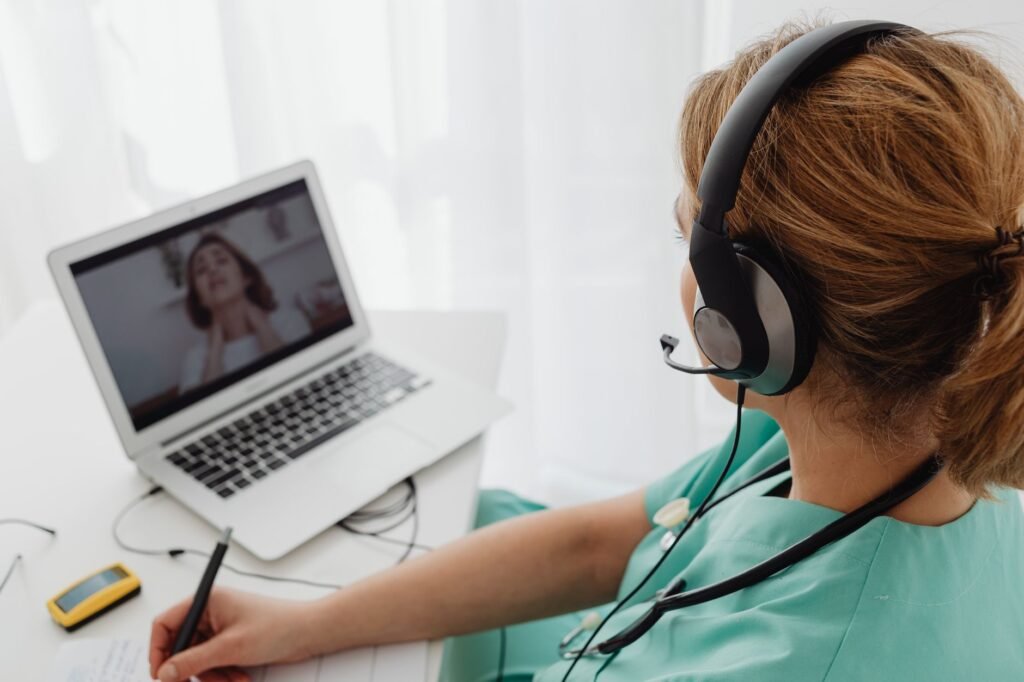
A quick visual check on whether something is an emergency worth an urgent in-person visit, a post-treatment follow-up to see how healing is progressing, an initial consultation to discuss options before committing to an appointment, or a quick question about a symptom — these are genuinely well suited to a video call. Actual treatment obviously isn’t, and marketing that implies otherwise sets up a disappointing first experience.
The real value proposition is triage and convenience, not treatment
The most honest and effective marketing angle is speed and access: ‘not sure if that toothache is an emergency? Get a same-day video consult before you decide.’ This respects what the service actually does and solves a real, common uncertainty — many people aren’t sure whether something needs immediate attention or can wait for a normal appointment, and a quick virtual check answers that without either an unnecessary emergency visit or a delayed real one.
It’s a strong fit for specific situations
Post-operative check-ins after a procedure, quick consultations for patients who’ve moved and are choosing a new practice, or an initial screening for a nervous patient who wants to talk before committing to an in-person visit are all situations where teledentistry adds real value rather than just being a novelty offered for its own sake.
Set expectations clearly before the call, not during it
The biggest source of patient frustration with teledentistry is a mismatch between what they expected and what a video call can deliver. Being explicit upfront — ‘this call is to assess whether you need to come in and how soon, not to replace treatment’ — prevents a disappointed patient and protects the practice’s reputation for the service.
Not every Florida practice needs to offer this
Teledentistry is worth adding where it solves a real access problem — a wide service area, a practice managing a lot of post-op follow-ups, or patients who value not taking time off work for a five-minute check. It’s not a must-have for every practice, and offering it without a genuine use case just adds an unused feature to the website.
Where this actually helps
Teledentistry works well for triage, follow-ups, and initial consultations — not treatment. Market it for exactly that, set expectations clearly before the call, and only add it where it solves a real problem for your specific patient base rather than as a checkbox feature.
Related services
Frequently Asked Questions
What can teledentistry actually be used for?
Triage for whether something is an emergency, post-treatment follow-ups, initial consultations before an in-person visit, and quick questions about symptoms. It cannot replace actual dental treatment.
Should every dental practice offer teledentistry?
Not necessarily. It’s worth offering where it solves a real problem — a wide service area, frequent post-op check-ins, or patients who value not taking time off for a brief consult — rather than as a feature added without a specific use case.
What is teledentistry used for in a general dental practice?
Common uses include initial consultations, triaging whether an issue needs an in-person emergency visit, follow-up check-ins after certain procedures, and orthodontic progress monitoring for some clear aligner cases.
Is teledentistry covered by dental insurance in Florida?
Coverage varies significantly by insurance plan and by the specific type of teledentistry visit, so this should be verified plan by plan rather than assumed, and marketing should avoid promising coverage that isn’t confirmed.
How should a practice market its teledentistry option?
Clearly explaining what kinds of situations are appropriate for a virtual visit (a quick question, a triage check) versus what requires an in-person appointment, so patients don’t have unrealistic expectations about what a virtual visit can address.
Does teledentistry replace in-person dental visits?
No, it supplements them for specific use cases like triage and follow-up, but routine cleanings, exams, and virtually all actual treatment still require an in-person visit.
What technology is needed to offer teledentistry?
A HIPAA-compliant video platform is the core requirement, along with a clear process for scheduling and documenting virtual visits consistently with in-person visit records.
Is teledentistry more useful for certain patient groups?
It can be especially useful for patients with mobility limitations, those far from the practice, or for quick post-procedure check-ins that don’t require a full in-person visit, reducing friction for both the patient and the schedule.
Does offering teledentistry improve a practice’s competitive positioning?
It can, particularly as a convenience differentiator in markets where competitors don’t offer it, though it should be marketed honestly as a supplement to in-person care, not a full substitute.
What are the limitations of teledentistry that should be communicated to patients?
A virtual visit can’t perform an actual exam, cleaning, or any hands-on treatment, and setting this expectation clearly upfront avoids patient frustration if they expected more from a virtual appointment than it can deliver.