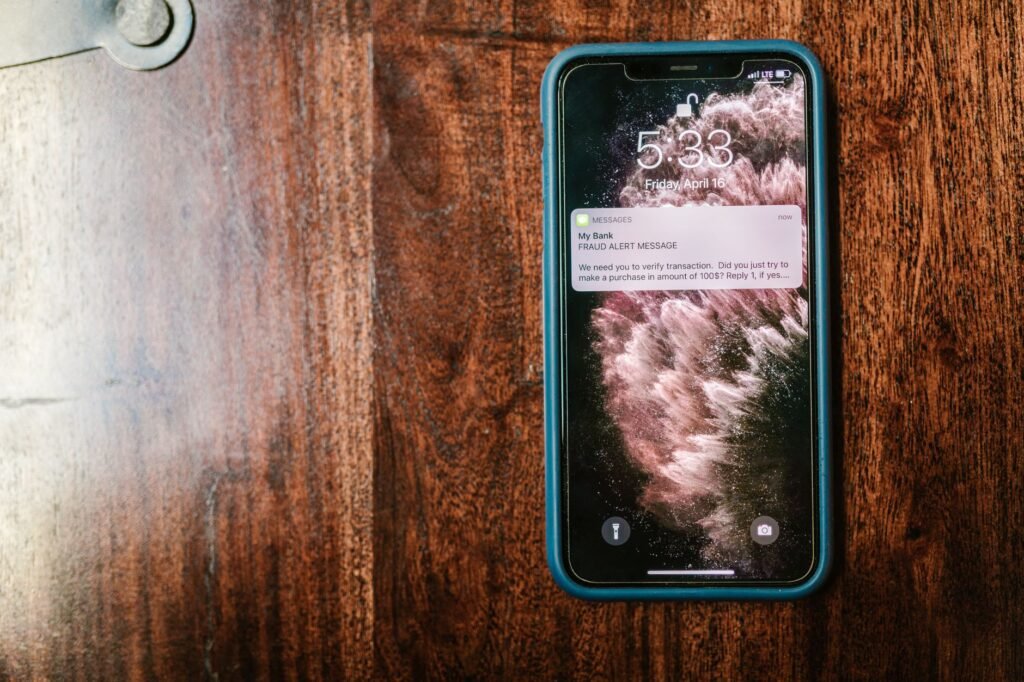
Text messages get opened faster than almost any other channel a dental practice has access to — most within a few minutes of arriving. For a message like an appointment reminder or a same-day cancellation opening, that speed is the entire value. Email and phone calls simply can’t match it for anything time-sensitive.
The three uses that consistently pay off
Appointment reminders sent 24-48 hours ahead, with a simple reply option to confirm or reschedule, reduce no-shows more reliably than a phone call that often goes to voicemail. Reactivation texts to patients who are overdue for a cleaning — a short, low-pressure message rather than a hard sell — bring back a meaningful share of patients who simply forgot rather than decided not to return. Review requests sent right after a good visit, while the experience is still fresh, get a noticeably higher response rate by text than by email.
What doesn’t work
Frequent promotional texts — a whitening discount this week, a new patient special next week — train patients to ignore the number or opt out entirely. Texting is most effective when it’s used sparingly and for messages the patient actually wants: their own appointment, their own overdue reminder, not a generic offer blasted to the whole list.
Consent isn’t optional
Texting a patient who never opted in isn’t just a bad look — it’s a real compliance risk under the Telephone Consumer Protection Act (TCPA), which requires clear consent before sending marketing texts. Practices should collect explicit opt-in at intake, keep a record of it, and make opting out as easy as replying STOP. Appointment-related texts to existing patients generally sit on firmer ground than pure marketing messages, but a documented opt-in process protects the practice either way.
Where this fits with everything else
Text isn’t a replacement for a website, Google Business Profile, or email list — it’s the fastest channel for the specific handful of messages that need same-day attention. Practices get the most value treating it as a precision tool for reminders, reactivation, and reviews, not as a general-purpose marketing channel.
Related
What software do dental practices use for SMS marketing?
Many practice management systems include built-in text messaging for reminders, while dedicated marketing platforms handle broader campaigns like reactivation and review requests — the right choice depends on whether the need is purely operational or also promotional.
Can a dental practice text patients about promotions?
Only with clear marketing-specific consent, which is a higher bar than the consent needed for appointment-related texts. Sending promotional texts without this specific opt-in risks both patient annoyance and compliance issues.
What’s a good response rate to expect from a dental review request text?
Response rates vary, but text-based review requests generally outperform email for response rate simply because texts get opened and acted on faster, though the exact rate depends heavily on timing and how the ask is worded.
Should text reminders include a two-way reply option?
Yes, allowing a patient to reply CONFIRM or RESCHEDULE directly makes the reminder actionable rather than just informational, which meaningfully improves its effect on reducing no-shows.
Is there a best time of day to send dental marketing texts?
Generally during normal daytime hours, avoiding early morning or late evening, both out of courtesy and because texts sent at inconvenient times are more likely to be ignored or prompt an opt-out.
Does text marketing work as well for older patient populations?
It can vary — while text adoption is broad across age groups, some older patients may still prefer a phone call, so offering a choice of contact method rather than relying on text exclusively tends to work best.
Frequently Asked Questions
Do dental practices need patient consent to send text reminders?
Yes. The Telephone Consumer Protection Act requires clear consent for marketing texts, and appointment-related texts should still be based on an opt-in collected at intake, with an easy way to opt out.
How often should a practice send marketing texts to patients?
Sparingly. Frequent promotional texts lead to opt-outs and diminishing response rates. Reserving texts for reminders, overdue reactivation, and post-visit review requests keeps the channel effective.
Does text messaging actually reduce no-shows?
Yes, when it includes a reminder 24-48 hours ahead with an easy reply-to-confirm option. It tends to outperform voicemail reminders simply because texts get read within minutes.
What’s the best time to send a review request text?
Right after a good visit, while the experience is still fresh — same day or next day gets meaningfully higher response rates than waiting a week.