For a local dental practice, your Google reviews do more work than almost anything else you own. They are the deciding factor when a patient is choosing between you and the practice down the road, and they are one of the strongest signals Google uses to decide who appears in the map pack — the top three local results everyone sees first. A practice with a steady stream of recent, well-answered reviews will out-rank and out-convert one with more reviews that sit ignored. The question is never whether reviews matter. It is how to get patients to actually leave them.
Most practices under-perform here not because their patients are unhappy, but because they never ask well. Happy patients leave, feel good, and forget. Here is a simple, policy-compliant system that fixes that.
Ask at the moment of maximum goodwill
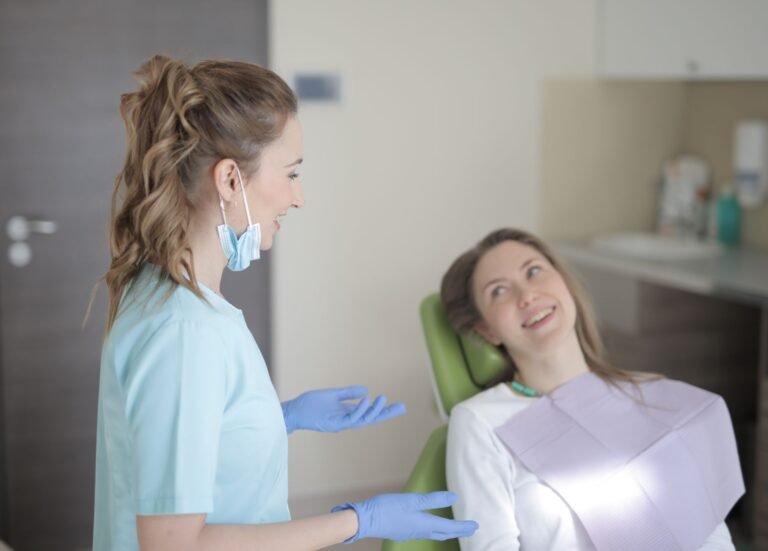
Timing is everything. The best moment to ask is right after a positive experience — the patient who just got great news, finished a treatment they were nervous about, or complimented your team on the way out. That goodwill fades within hours. If you wait until you happen to remember, or send a generic request a week later, you have missed the window. Train the team to recognise the moment and ask while the patient is still glowing.
Make leaving the review effortless
Every extra step loses patients. Do not tell them to ‘search for us on Google and leave a review’ — that is three chances to give up. Hand them, or text them, a direct link that opens straight to your review form. A QR code at the front desk, a link in the follow-up text, a tablet in the office — whatever removes the friction. The easier you make it, the more reviews you get, and it is entirely within Google’s rules.
Ask everyone, not just the delighted few
A crucial compliance point: ask all your patients, not only the ones you are sure will rave. Google’s policies prohibit ‘review gating’ — selectively soliciting only happy patients or steering unhappy ones away from public reviews. Beyond being against the rules, it backfires; a perfect five-star wall with no texture reads as fake. A genuine mix, overwhelmingly positive because your care is good, is more credible and more durable. Ask everyone, make it easy, and let the average take care of itself.
Never pay for or incentivise reviews
It is tempting, and it is a mistake. Offering a discount or a prize for a review violates Google’s policies and can get your reviews removed or your profile penalised — exactly the opposite of what you want. The system that works needs no incentive: ask at the right moment, make it effortless, and ask consistently. That is enough.
Reply to every review — especially the hard ones
Getting reviews is half the job; responding to them is the other half, and it is where most practices quietly lose ground. Replying signals to Google that the profile is active and to future patients that you are engaged. Thank the positive reviewers by name. And when a negative review lands — it will — respond calmly, professionally, and without defensiveness or any patient detail. A thoughtful reply to a bad review often impresses future patients more than the five-star ones, because it shows how you handle a problem. (See our medical & local SEO)
Make it a system, not a mood
The practices that win at reviews do not rely on remembering. They build it into the visit: a step in the checkout routine, an automatic follow-up text after the appointment, a front desk that always has the link ready. An always-on front desk can send the request automatically after every visit, so it happens whether or not the team had a busy day. Consistency is the whole game — a handful of new reviews every week compounds into a lead the practice down the street cannot easily catch. (See our AI front desk)
The short version
Ask at the moment of goodwill, make leaving a review a single tap, ask every patient (never gate or incentivise), reply to all of them, and turn the whole thing into a routine rather than a good intention. Do that and your reviews become both your best salesperson and your strongest local-ranking asset. If you’d rather have the system run for you, that is part of what we do. (See our dental SEO services)
Frequently Asked Questions
How can I get more Google reviews for my dental practice?
Ask at the moment of maximum goodwill, right after a positive visit; hand the patient a direct link or QR code so it takes one tap; ask every patient, not just the happy ones; and make it a routine step at checkout so it happens consistently.
Can I offer a discount for leaving a review?
No. Incentivising reviews violates Google’s policies and can get reviews removed or the profile penalised. The compliant system — ask at the right moment, make it effortless, ask consistently — works without any incentive.
Should I respond to negative dental reviews?
Always, calmly and professionally, without sharing any patient details. A composed reply to a negative review often reassures future patients more than the positive ones, and replying keeps your profile active in Google’s eyes.